A data centre campus on a Local Wildlife Site
Thurrock Council's draft Local Plan allocates the former Arena Essex site and fishing lake at Lakeside, about 52 hectares, for a data centre campus defined as critical national infrastructure. Part of the site is Arena Essex Local Wildlife Site. Protect Langdon has filed a representation asking the Inspector to delete Policy SS03, with every point cited to the page.
Representation filed 12 October 2026. Supplementary representation filed 10 November 2026, within the extended consultation period. A matter of my own, made on behalf of Protect Langdon. Evidence analysis, not legal advice.
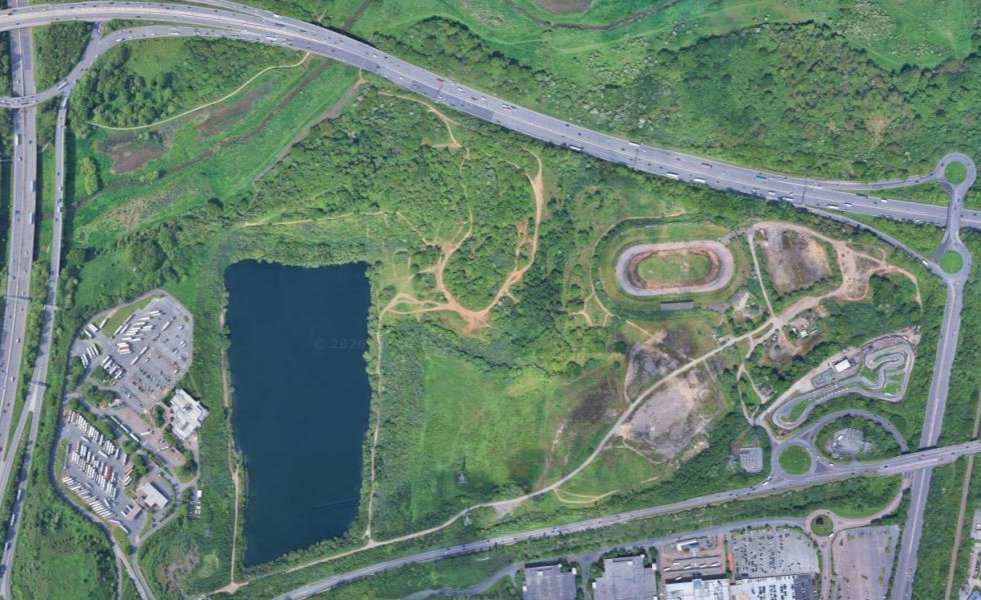
A former raceway that nature took back
The eastern part of the site is the former Arena Essex Raceway, opened in 1978 for stock car and banger racing, with speedway from 1984. The stadium closed in 2018.
Arena Essex Local Wildlife Site (Th16, 25.9 ha) was selected for its post-industrial habitats, its plants and its invertebrates. The Council's 2022 register describes “a mosaic of calcareous grassland and open vegetation within scrub and young woodland”, with a prominent south-facing bank and seasonally wet hollows.
Its priority habitat is open mosaic habitat on previously developed land. The site also holds Thames Terrace Grassland, which Natural England calls “a nationally important habitat”. To the west is a fishing lake, and the Mardyke Valley Local Wildlife Site lies next to the site.
- ALLOCATIONAbout 52 ha at Lakeside for “a data centre campus, defined as critical national infrastructure”
- CAMPUSThe eastern part of the site, about 27 ha, with open space around the lake to the west
- FLOORSPACEAbout 135,000 sq m, indicative phasing 2029 to 2034
- APPLICATION25/00573/OUT, a hybrid application for up to four data centre buildings, awaiting decision
- APPLICANTGlobal Infrastructure UK Ltd. The Council's Infrastructure Delivery Plan says the site “has been acquired by Google”
An Endangered plant and a nationally important insect community
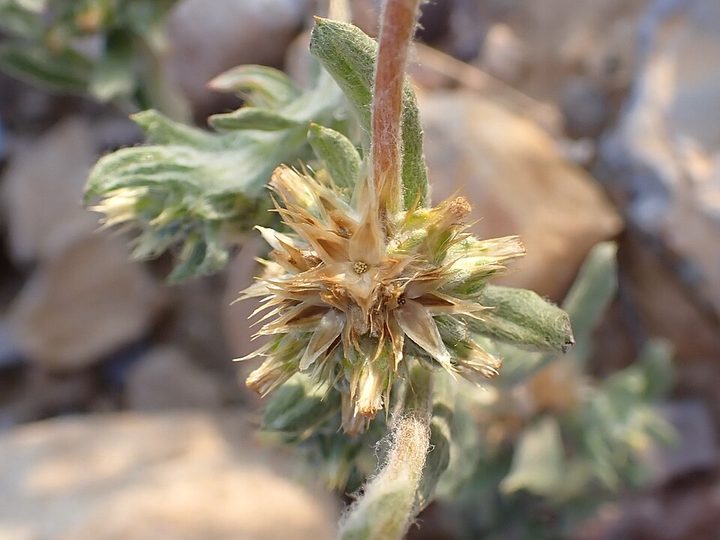
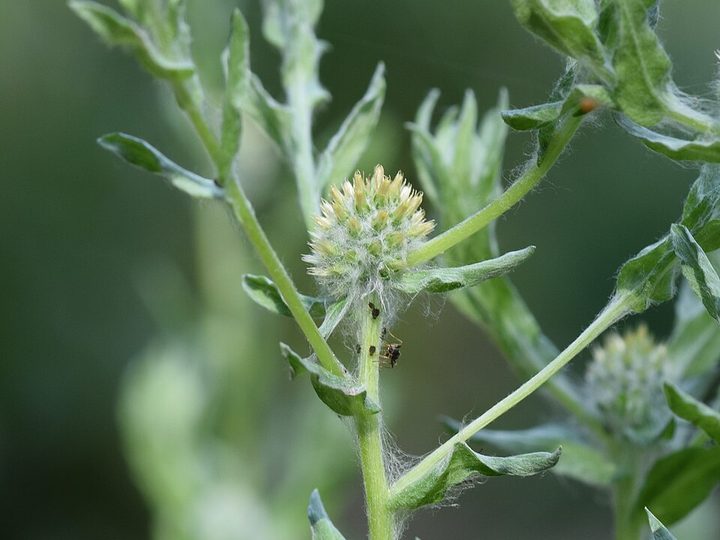
The Council's own register records Broad-leaved Cudweed at one of only a few known sites in the UK. The applicant's surveys found 530 kinds of invertebrate on the site, 48 of them of conservation importance, and its environmental statement rates the assemblage of “National” importance.

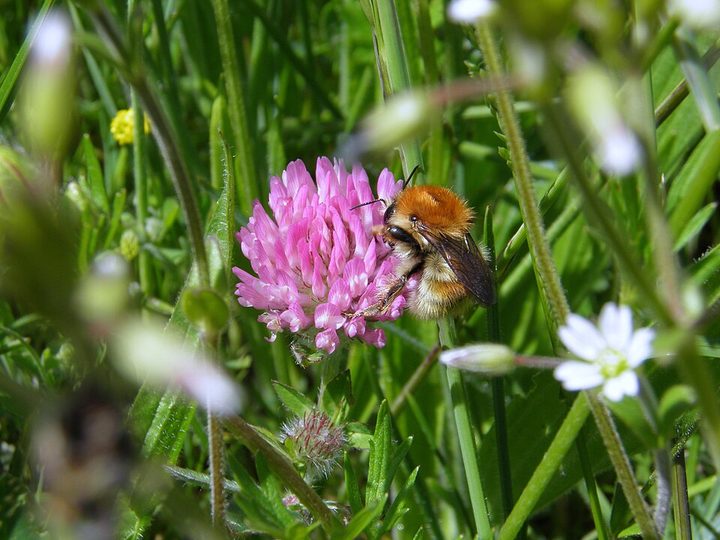
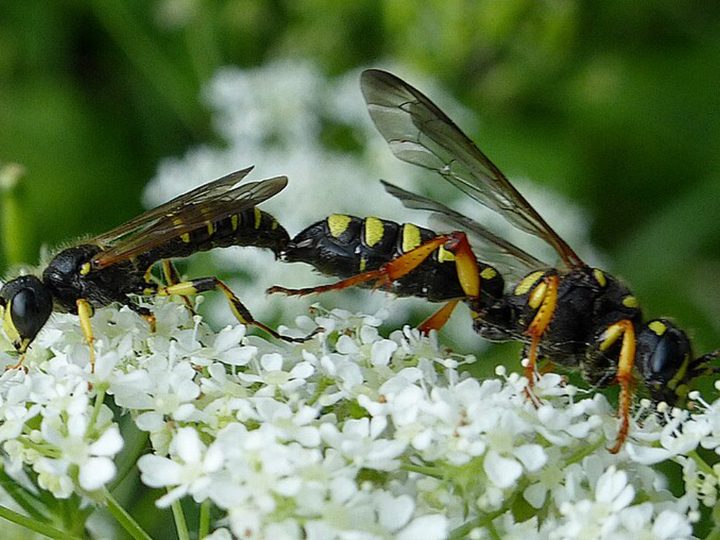
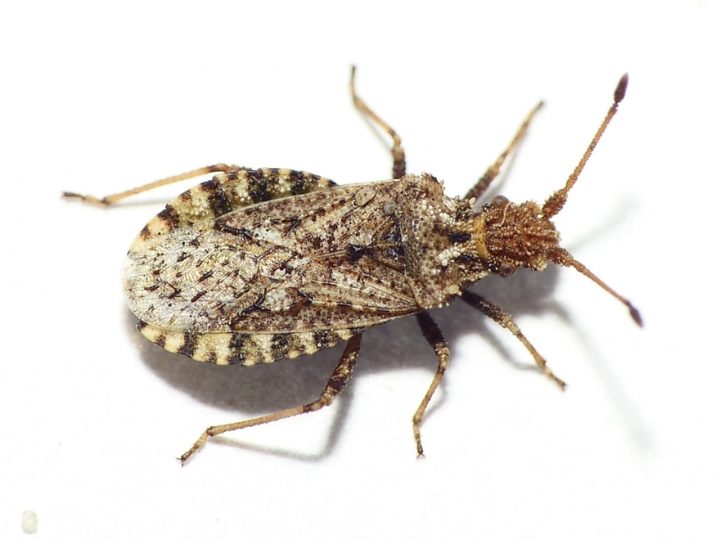
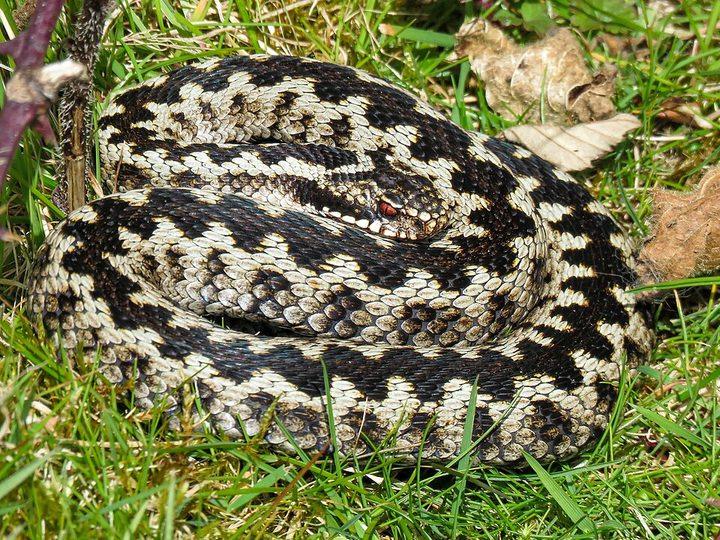
ALSO RECORDED
- Dorycera graminum. A picture-winged fly, the third Priority insect named in the register.
- 18 Nationally Rare and 57 Nationally Scarce species of invertebrate, in the surveys the register relies on.
- Two nationally scarce weevils new to Essex, found by the applicant's surveyors in pools of water purslane on the site.
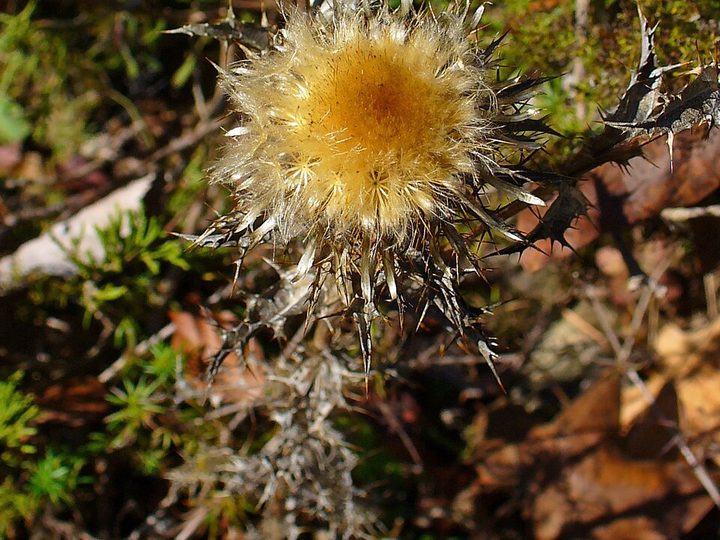
- Thames Terrace Grassland. Natural England calls it “a nationally important habitat”; the applicant says it “only exists within the UK in the tens of hectares”.
Sources: Thurrock Local Wildlife Sites Register 2022, site Th16; the applicant's Environmental Statement, Chapter 6; Natural England's response of 28 August 2026; Wildlife and Countryside Act 1981, Schedule 5. Photographs show each species; they were not taken on the site. From Wikimedia Commons: Broad-leaved and Common Cudweed, Krzysztof Ziarnek (Kenraiz), CC BY-SA 4.0; Carline Thistle, H. Zell, CC BY-SA 3.0; Hound's-tongue, Fornax, CC BY-SA 3.0; Brown-banded Carder Bee, kitenet, CC BY-SA 2.0; Five-banded Tailed Digger Wasp, Matej Schwarz, CC BY 3.0; Fallén's Leatherbug, Dick Belgers (Waarneming.nl), CC BY 3.0; Adder, Sam Thomas, CC BY 2.0. Images cropped.
Representation filed. The examination comes next
The plan. When the Council submits the plan, every representation goes with it to the Planning Inspectorate. An independent Inspector examines whether the plan is legally compliant and sound, and can recommend changes to it, including deleting an allocation. Our representation asks to take part in the hearing sessions on Policy SS03.
The application. The data centre application is still awaiting a decision. Its most recent consultation period ended on 23 September 2026. On 12 October 2026 Protect Langdon also objected to the application, asking the Council to refuse it.
What happens next. The Council replaced its habitats assessment on 20 October 2026 and extended the consultation to 10 November 2026. On 10 November Protect Langdon filed a supplementary representation: the water company would not supply the only demand it has been asked about, the national system operator holds no grid application for the campus, and the replacement habitats assessment still contains the errors. The Council then decides whether to submit the plan for examination; the representation asks to be notified when it is submitted, when the Inspector's report is published and when the plan is adopted.
Conservation bodies, including Buglife and Essex Wildlife Trust, are campaigning on the loss of the Local Wildlife Site.
Not legally compliant, and not sound
Filed on 12 October 2026 by Dr Jackie Lighten on behalf of Protect Langdon. It finds Policy SS03 not legally compliant and not sound: not justified, not effective and not consistent with national policy. It asks the Inspector to delete the policy and the allocation. The grounds:
Habitats Regulations Assessment
The assessment screens SS03 in using text written for a town centre site. It cannot rule out air pollution effects on the Thames Estuary and Marshes SPA and Ramsar site, and its water quality conclusion relies on a sewerage company that does not serve Thurrock.
Reasonable alternatives
The plan's sustainability appraisal tested data centres only as extra land on top of the employment total, not as a choice between locations. Part of its appraisal of SS03 repeats text written for a Grays town centre policy.
Not land of least environmental value
The appraisal says much of the Local Wildlife Site “will be lost to development”. The applicant's own assessment finds about half its habitats lost, and no mitigation is available for the loss of 7.88 ha of potential Thames Terrace Grassland.
No comparison of locations
The plan calls the data centre “additional growth beyond the EDNA forecasts”. The site entered the plan through the promoter's proposal, and no other location was compared for a data centre. The campus yields about 12 jobs per hectare, against about 69 for the plan's employment land.
A promised assessment never made
At Regulation 18 the Council said the need to protect Local Wildlife Sites “will be assessed as the proposed allocations are reviewed”. Apart from the appraisal, no such assessment is in the evidence base.
The speedway stadium
Sport England asked for an up to date and objective assessment of speedway needs. None is in the plan's evidence base, and the plan does not mention speedway.
Compensation outside the borough
Most of the biodiversity net gain would be met outside Thurrock, at a site Natural England considers likely “too distant” for many of the species affected. Compensation for the grassland “has not yet been defined”.
The grid connection
The campus would draw power from the transmission network at Barking, and would use about 3.5 times the borough's modelled 2022 electricity consumption for buildings and transport. No plan document assesses that connection.
Water and groundwater
Essex & Suffolk Water maintains its objection to the application and records groundwater protection as unresolved. The Council's own water study warned that the undertaker “may not be able to supply new businesses” with large demand.
On national policy, the allocation conflicts with paragraphs 188 and 192 of the National Planning Policy Framework on land of least environmental value and local wildlife sites, paragraph 104 on sports land, paragraph 86(c) on suitable locations for data centres, and paragraphs 27(a) and 87(a) on the grid connection.
Why deletion, not a lesser change
The policy places the buildings in the eastern part of the site, where, on the applicant's own assessment, they take Local Wildlife Site habitat. Grid and water capacity cannot be created by a policy criterion, and compensation after consent is not avoidance. Deletion does not leave the plan short of employment land: the plan itself describes the data centre as additional growth beyond its employment forecasts.
WHAT IT ASKS
- Delete Policy SS03, remove the allocation from the Policies Map and make the consequential changes elsewhere in the plan.
- Keep Arena Essex Local Wildlife Site protected under Policy SP07.
- If the policy is not deleted, make six modifications, starting with taking the Local Wildlife Site out of the allocation boundary.
- Require the Council to obtain and publish Natural England's study of Thames Terrace Grassland before the hearings on SS03.
- Require the Council to publish Natural England's Regulation 19 response on SS03, and invite Natural England to the hearing session or put written questions to it.
- Hear the representation at the hearing sessions on Policy SS03.
SUPPORTING POINTS
- Critical national infrastructure. A security designation for data centres once they exist. It identifies no need for land in Thurrock and no location.
- Green Belt. Released without an identified need for this use, and with no new boundary defined.
- Viability. The Council's own viability evidence finds its data centre typology unviable, then discounts its own method.
- Policy DMP01. Offsetting the campus's electricity use at the policy's price would cost about £3.7 billion. Nothing tests how the two fit together.
- Transport. The highways recommendation on the application remained “Further information required”, and the plan's transport model treats the site as general employment.
- Generators and carbon. 94 diesel backup generators, unassessed in the plan's evidence; operational emissions about 68% of the borough's 2023 total.
The Council's evidence base for the plan, 83 documents and about 11,500 pages, and the file for planning application 25/00573/OUT, 343 documents and about 6,600 pages, analysed in full. 79 findings, each with its source and a confidence level, and four independent analyses: site areas, grid and water demand, operational carbon, and the distance to Barking Grid Supply Point. All 164 quotations were checked against the documents cited. The final independent red team found 1 fatal and 17 serious issues; the fatal issue and 14 of the serious ones were fixed before filing, and the other 3 were kept with stated reasons.
The public record
Our representation, and the key public documents for the allocation and the site. The representation lists every document it relies on, with the pages. The application documents are on the Council's planning register.
- Protect Langdon representation on Policy SS03, 12 October 2026 (PDF)
- Thurrock Local Plan Regulation 19 Publication, August 2026
- Regulation 19 Policies Map, August 2026
- Thurrock Local Wildlife Sites Register 2022
- Infrastructure Delivery Plan, July 2026
- Cabinet report, 26 August 2026
- Local Plan Initial Proposals, December 2023 (Regulation 18)
- Regulation 18 Consultation Report, 2026
- Thurrock planning register (search 25/00573/OUT)
The whole record, gathered and analysed
The same method as our representation on Lower Langdon (Policy SS18): every document fingerprinted, every claim tested against the record, and the findings turned into a case the Inspector can check page by page.
Evidence analysis, not legal advice. Status at 10 November 2026: representation filed 12 October 2026; supplementary representation filed 10 November 2026; planning application awaiting a decision. Facts from the representation as filed, the Regulation 19 plan and its evidence base, the Local Wildlife Sites Register 2022 and the planning register.